Your Resource for
Direct Response Sales Copy
that Actually Sells
If you feel like you aren’t getting the results you should be from your advertising and marketing efforts, and are looking for ways to bring in more leads and sales…
…or if you’re getting good results now, but wonder if you can do even better…
…then you’ve come to the right place. My name is Brad Petersen. I write winning sales copy that routinely helps my clients increase their sales and profits. And I’m confident I can help you get fast, profitable results, too.
Fortunately, you don’t take my word for it. I’ll let my clients speak for me…
“Million Dollar Launch”
“We’ve spent over $229,500 in copy fees, not counting royalties, hiring the best copywriters we could find. We’ve hired big-name direct mail copywriters, we’ve hired ‘hot-shot’ internet copywriters, and so-called ‘launch experts’ – the list of names reads like a ‘Who’s who’ of top copywriters. Of that group only two copywriters ever delivered a million dollar launch for us. Brad Petersen is one of them.”
—John Newtson,
Co-Owner/Chief Copywriter,
Market Authority, Fairfax, VA
 Clayton Makepeace: “Kick-butt
controls for financial publishers”
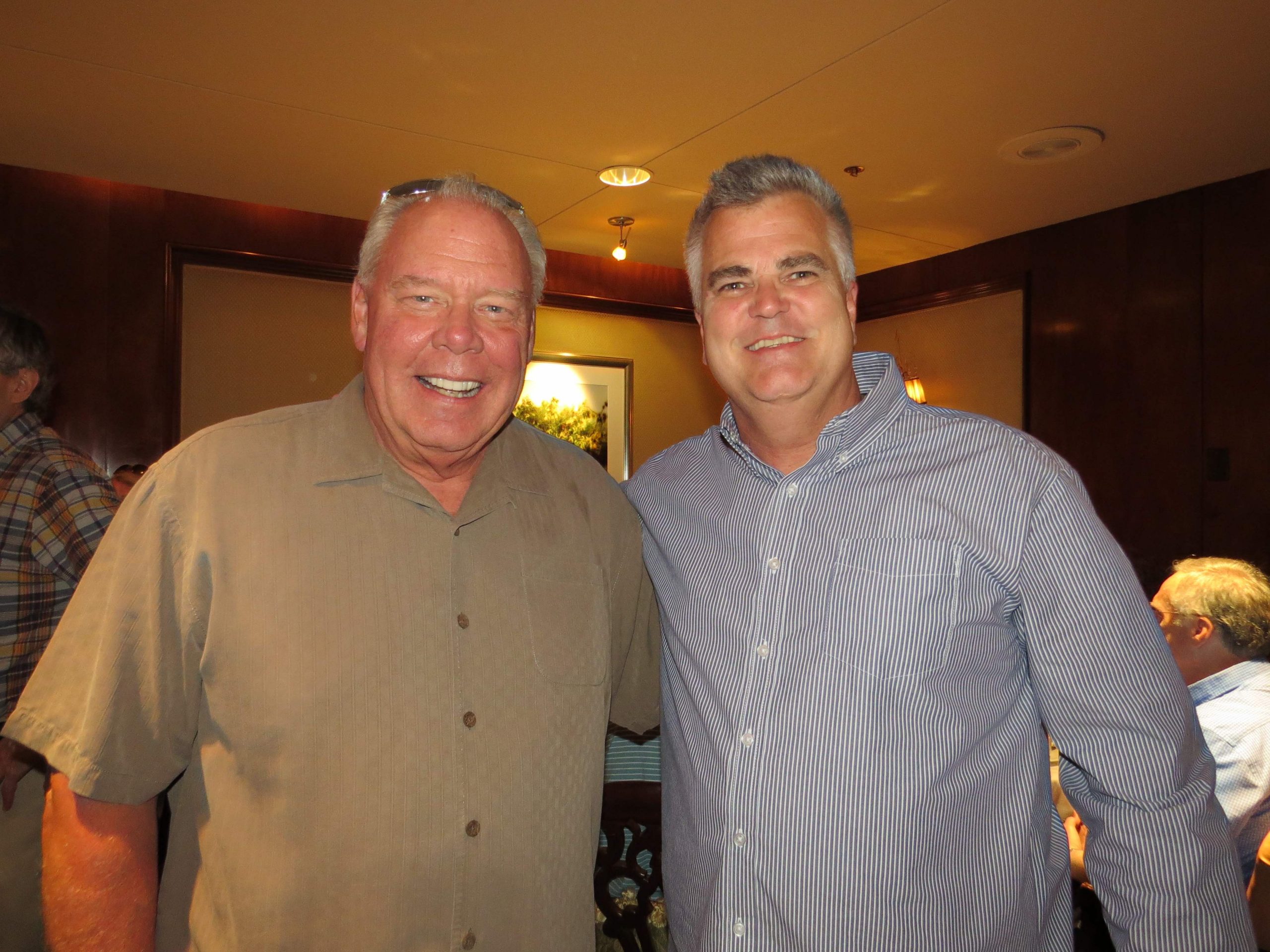
“I’ve helped Brad Petersen create kick-butt controls for financial publishers for many years now. Brad’s so reliable I even coughed up a six-figure annual retainer to keep him locked up for years.”
—Clayton Makepeace,
Editor, The Total Package,
Waynesville, NC
More than $3 Million in Sales
“Your ads and sales letters have helped us sell more than $3,000,000 (wholesale) worth of cues in just two years. We’re doing far better than I ever expected and are now the #1 cue in our price category.”
—Jim Lucas, Players Cues,
Jacksonville, FL
What do you want for your business?
If those are the kind of results you’re looking for in your business, then let’s get on the phone and talk about the challenges you face with your advertising and marketing… what you’re looking for on your next project… and how I can help you.
To get started, simply click here to contact me. I’ll get in touch with you ASAP so we can discuss whether you and I are a good fit for working together.
But please… I’m begging you… don’t fill out the form…
…if you’re looking for a bargain basement copywriter. I’m expensive and make no apologies for it. And the only reason I command a high fee is because the results I bring my clients keep them coming back for more.
…if you’re looking for percentage-only deal. I simply have too many mouths to feed… too many college educations to pay for… and too many clients willing to pay my full fee.
…if you’re selling a crummy product, are involved in an outright scam or just want to send out spam. Life is too short for me to get involved in such projects.
On the other hand, if you have a terrific product or service that you know could sell like gangbusters with the right sales copy, then by all means let’s get on the phone and talk. Click here to get in touch right now.
Still undecided if we should talk?
Then consider these rave reviews:
Gary Halbert: Your Copy is “Top Notch”
“Brad’s been a popular fixture at a number of my marketing seminars. And the copy he’s produced for both my seminar attendees and for me has always been top-notch.”
—The late, great Gary Halbert,
Editor, The Gary Halbert Letter,
Miami, FL
Bob Serling: “Makes my life a lot easier…”
“I was so locked into ‘efficiency mode’ on the phone, that I forgot to tell you what a great job you did. It makes my life a lot easier to know that the copy I get from you will be right on target. Thanks for an excellent job.”
—Bob Serling,
Marketing Consultant and former
Vice-President of Marketing,
Nforma, Inc., San Diego, CA
A 7% Response
“The insert you wrote for my dad’s book was the most successful in our newsletter’s history. We recently turned it into a sales letter and on some lists, it’s pulling 7%.”
—John King, Publisher
Future Economic Trends,
Santa Barbara, CA